From October 2026, new requirements will ensure we deal with reports of damp and mould quickly.
This means we will need to:
- Check the problem within a set time after you report it.
- Explain the findings to you in writing.
- Start repairs as soon as possible if needed.
- Keep you updated if anything is delayed and tell you why.
If you spot damp or mould in your home, it is important that you contact your Repairs Maintenance Team as soon as you can. This stops the damp or mould getting worse over time.
What is damp and mould?
Damp can appear when there is too much moisture in your home. This can lead to mould growing. Both damp and mould can affect your health and damage your home.
There are different types of damp, which have different causes:
- Condensation – this is too much moisture. It is often caused by poor ventilation or heating.

- Penetrating damp – this is when water enters the fabric of the building from the outside. It is often caused by blocked gutters or leaks.

- Rising damp – this is when moisture travels up through the ground into the foundations of your home. It is often caused by structural issues.

- Traumatic damp - typically dampness caused by sudden and severe events, e.g leaking water from waste and heating pipes, overflowing baths or sinks, etc

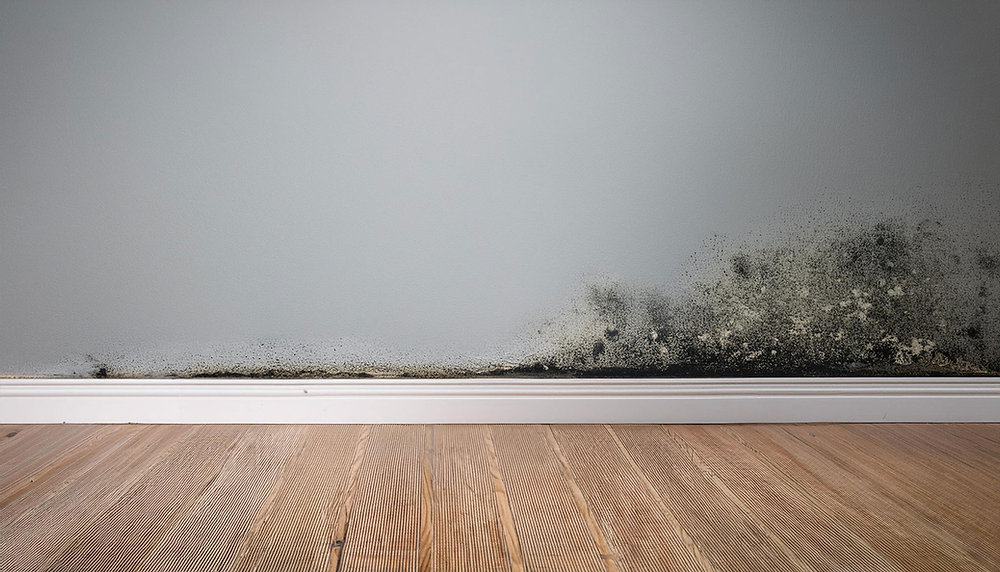
What should you look out for? Mould often looks like black, green, or brown patches on walls, ceilings, or around windows.
The images were generated using AI tools and represent generic potential indicators of rising damp/mould in a domestic setting.
|
Condensation can cause water droplets to run down your windows and walls. You may see mould around your windowsill. |
|
Rising damp will only affect the ground floor of a building. You may see a horizontal watermark and rot on floor skirtings. |
|
Penetrating damp can cause discoloured patches on the wall. You may also see peeling or bubbling paint or wallpaper. |
Not all damp and mould are visible. Sometimes it can cause a bad, musty smell.
What to do when you spot damp or mould?
If you notice damp or mould in your home, it’s important to notify your Repairs Maintenance Team as soon as possible.
You might be asked a few questions to allow us to get a better understanding of the issue. We will also likely need access to your home for inspections and repair work. This is necessary to ensure your home can be made safe.
If you suspect hidden damp behind your wallpaper or carpets, you should not try to remove these yourself. This can release mould spores.
Our responsibilities
After you tell us, we must:
- Investigate the issue within 10 working days.
- Provide a written report within 3 working days after the investigation.
- If repairs are needed, begin the work within 5 working days.
If we cannot meet these timescales, we must explain why there’s a delay, say when we will fix it, and take steps to limit the damp or mould in the meantime.
How can you help prevent issues?
You should try to help reduce condensation in your home. Some top tips are:
- Make sure your air vents are not covered and that your extractor fans are working.
- Dry wet clothes outdoors. If you must dry clothes indoors, it can help to dry them in a room with the door closed and the window open or fan on.
- Use an extractor fan and open the window when bathing, cooking or during other high moisture tasks. If possible, leave windows open and extractor fans on for about 10-15 minutes after.
- Try to keep temperatures in all rooms to above 18°C when you are using them.
Extra Support - You might find the following webpages helpful: